
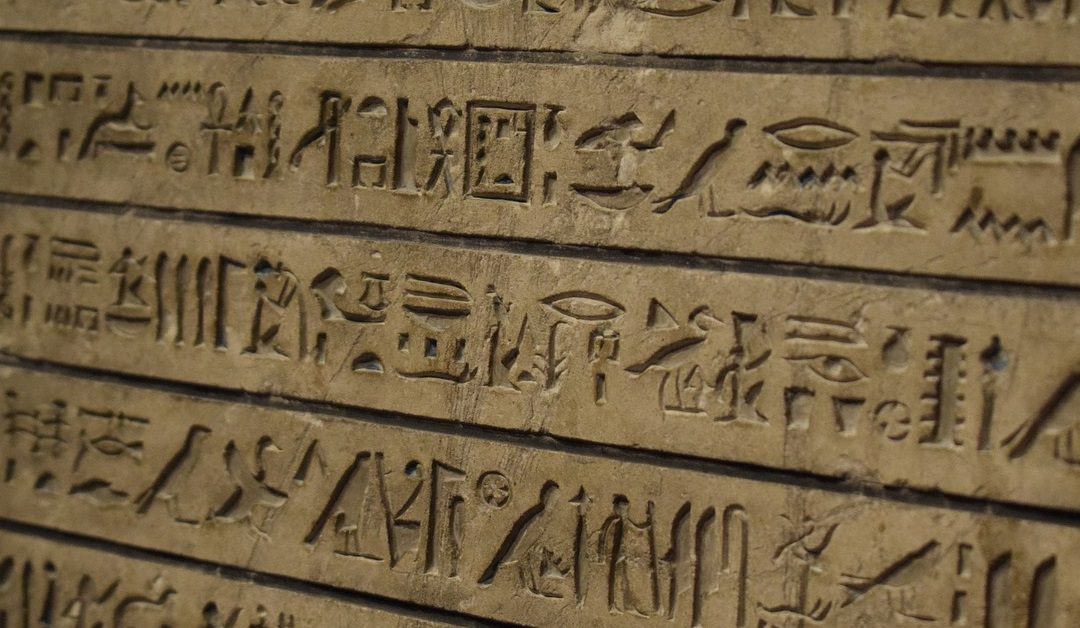
Visiting Italy, Egyptology would not be top of the traveler’s list! Generally, they are searching typical Italian art, beautiful weather, picturesque villages and of course, local gastronomy.
In fact, few people know that in Turin there is the most important museum of Egyptian antiquities in the world outside Cairo. Strange, isn’t it?
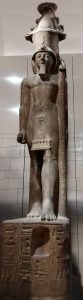 The birth of museum of Egyptian antiquities in Turin
The Dukes and then the Kings of the House of Savoy, who resided in Turin since 1563, were great collectors. Difficult to rival with the illustrious noble families from other Italian regions, such as the Medici or the Sforza. However, the city of Turin boasts around forty museums, a good number of which used to be collections or residences (such as castles, mansions and palaces) belonging to the House of Savoy.
The presence of a Museum of Egyptian antiquities in Turin is linked on the one hand to the Egyptomania typical of the 19th century. This passion for ancient Egypt had spread in Western culture thanks to the Egyptian campaign, led by Napoleon between 1798 and 1801. Subsequently, the publication of a colossal work (23 volumes!) entitled Description de l’Egypte was a huge success.
On the other hand, several Piedmontese intellectuals tried to convince the Savoys to acquire the first Egyptian collection. The investment was very important, but the city of Turin would have gained enormously in prestige.
Finally, the purchase of about 5,300 objects was completed in 1823 by King Carlo Felice for 400 thousand lire of the time. This corresponded to the GDP of an entire year of the Kingdom of Piedmont-Sardinia!
The beginnings of Egyptology
But from whom did the King buy this extraordinary collection? From Bernardino Drovetti (Barbania 1776 – Turin 1852), French consul in Egypt, but also an adventurer and antique dealer of Piedmontese origin, naturalized French. Helped by the Marseille sculptor Jean-Jacques Rifaud, Bernardino Drovetti brought together a remarkable quantity of statues and various objects from ancient Egypt.
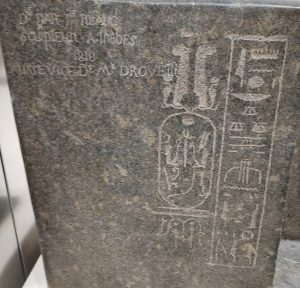 Precursors of modern Egyptology, these last two did not have the current care and respect for the ancient artifacts. It is shocking for us to see their names engraved on some statues exhibited at the Museum of Egyptian antiquities in Turin. Early graffiti!
The Turin Museum opened its doors in 1824, so this year we celebrate the bicentenary of its birth. For two centuries this collection has been the prestigious center piece of the city.
Contact us to book a private guided tour of the museum with an English-speaking guide, on the date and time you want.
———
If you want to read more about the Egyptian Museum of Turin check out these two articles: