
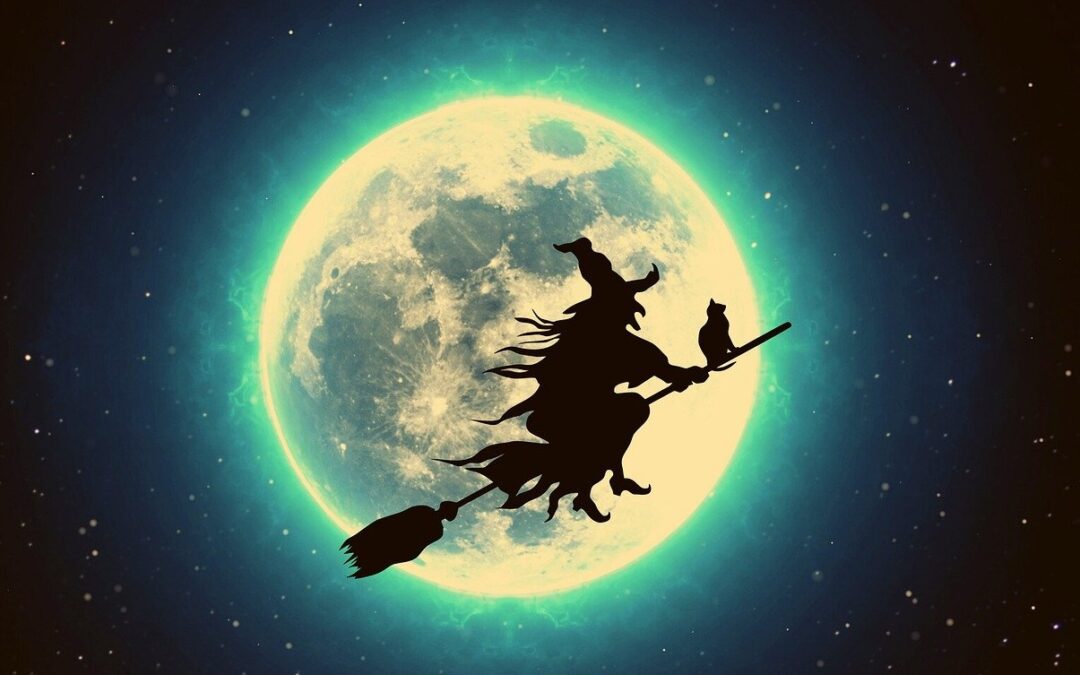
The Befana festivity is one of the most beloved popular traditions in Italy, celebrated every year on January 6th, the day of Epiphany. It is a mix of winter folklore and Christian tradition: the Befana is a legendary figure who brings gifts to children, similar to Santa Claus, but female.
The Befana is an old woman who flies at night on a broomstick. She wears worn-out clothes, battered shoes, and, like witches, a pointed hat. Her face shows the marks of time, and she is usually depicted with a large, hooked nose. Her name comes from the word “Epiphany,” which was gradually transformed over the centuries by popular language.
The legend of the Befana
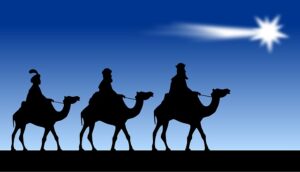 The Befana tradition is said to be linked to the Christian story of the Biblical Magi. After the shepherds came to worship the Baby Jesus in the manger, three wise men — Melchior, Gaspar, and Balthazar — traveled from the East, following the guiding star to Bethlehem to pay homage to Jesus as a king, offering him gold, frankincense, and myrrh.
According to legend, during their journey they asked an old woman for directions to find the Child. She refused to help them. Soon after, feeling remorse, she prepared a bag full of gifts and went in search of Jesus, visiting house after house. Unable to find him, she nonetheless left presents for all the children she met, hoping that one of them was Jesus. Since then, every January 6th, the Befana visits every home to bring gifts to children.
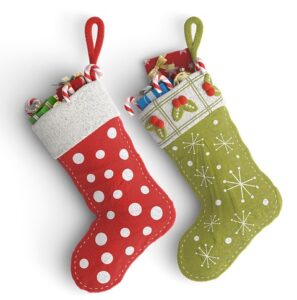
Tradition has it that on the evening of January 5th, children hang a large stocking near the fireplace or at the window. During the night, the Befana fills it with sweets, small toys, or coins for well-behaved children, and black sugar “coal” for those who have misbehaved. In fact, since the coal is sweet, it is a playful way to remind children of the importance of good behavior without harsh punishment.
The Befana is not only a character for children: she also symbolizes the passage from the old year to the new one. In many Italian regions, it is customary to burn a figure of her in public squares, a symbolic ritual meant to drive away the difficulties of the past year and wish for a more prosperous new cycle.
January 6th officially marks the end of the Christmas holidays. In Italian, there is a rhyme: “L’Epifania tutte le feste porta via!” which translates, “Epiphany takes away all the holidays.” And for Italian children, it is also the time to return to school.
With the Befana, we wish everyone a wonderful New Year!