
In the 1970s, Turin in August would shut down completely. The summer closure of FIAT marked the start of a collective ritual: thousands of factory workers left the city to return to their hometowns, especially in Southern Italy. After the Second World War, Turin became one of the main destinations for internal migration in Italy. Thousands of people, especially from the South — particularly from Sicily, Calabria, and Puglia — left their hometowns in search of work and better living conditions. The city offered opportunities in factories, attracting unskilled labor.
The newcomers often faced difficult conditions: overcrowded suburban neighborhoods, precarious housing, a harsh continental climate in winter, and a lifestyle very different from that of their regions of origin.
The legendary “Treno del sole1” (literally, Sun Train) starting at Porta Nuova station every summer carried entire families southward, towards the sea and their roots.
The streets emptied out, shops pulled down their shutters, and the city turned into a ghostly Turin, suspended in industrial standstill. FIAT, the beating heart of the local economy, dictated the rhythm of the city’s life.
Today, the scenario has changed dramatically.
Where Engines Once Roared, Art Now Blooms
 After merging with Chrysler and PSA, the car manufacturing giant is now known as STELLANTIS. Its legal headquarters has moved to Amsterdam, and most of its production has been relocated to countries where labor is less expensive.
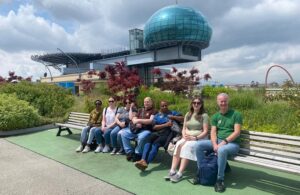
That once-dominant industrial past has now become part of Turin’s cultural heritage. The Lingotto building, with its iconic rooftop test track, has been transformed into an architectural attraction. Thanks to a renovation by the architect Renzo Piano, the former factory is now a multifunctional center. It features shopping galleries, two hotels, exhibition spaces, and a panoramic terrace enriched with greenery and contemporary art installations.
But the real revelation is Turin itself !
In recent years, Turin in August is no longer deserted. More and more restaurants choose to stay open, museums welcome visitors from all over the world, and the city’s cultural scene remains lively even during the hottest month. With over forty museums, kilometers of elegant porticoes offering shade and coolness, and a rich architectural heritage, the city offers pleasant discoveries also in summer.
Discover Turin in August and enjoy refreshing treats!
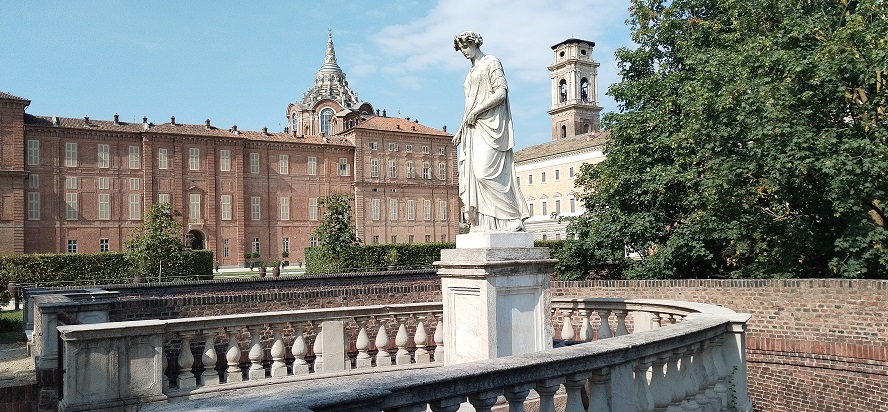
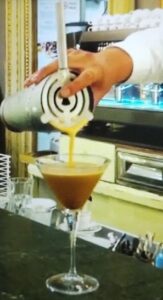 Of course, for many Italians, the days around Ferragosto — a national holiday on August 15th — still mean beaches and vacations, and locals often escape to the mountains or the sea. But those who choose to visit Turin in August can stroll through the Royal Gardens, relax in the shade of majestic plane trees, admire baroque palaces in the historic center, and enjoy a “caffè shakerato” in one of the city’s historic cafés.
Caffè shakerato and gelato: A Tasty Rhyme
I’m a big fan of caffè shakerato—literally “shaken coffee”! But what is it, exactly? It is a chilled Italian espresso drink made by shaking freshly brewed espresso with ice and a touch of sugar in a cocktail shaker until it becomes frothy and refreshing. Served in a martini or cocktail glass, it’s an elegant alternative to hot coffee during the warmer months.
Another delightful way to cool off on summer days is by enjoying a creamy artisanal gelato. Turin’s master gelato makers offer a wide variety of flavors, but the most typical are undoubtedly hazelnut and the timeless gianduja. Piedmont is renowned for its top-quality hazelnuts, and gianduja — named after the region’s most iconic carnival mask — is a perfect blend of chocolate and hazelnuts. An absolute must for every sweet tooth!
During a tour, we provide plenty of useful information to help you make the most of your free time in the city and fully enjoy the local specialties.
However, since this is also a holiday period for tour guides, if you’d like to book a guided tour, we recommend doing so in advance, as many professionals may also be on vacation.
1 “Il treno del sole” was also the title of a novel by Renée Reggiani, published in 1962.